Powell River Top General Contractor for Home Renovation Services
General Contractor: Your Indispensable Professional for Home Projects
A general contractor performs an vital role in residential undertakings. They supervise multiple components of construction, ensuring that work advances smoothly. Their expertise in construction standards and requirements enables them to navigate the complexities of permits and examinations. This expert acts as an important connection between homeowners and trade specialists. However, many homeowners remain unsure about the full extent of their work offerings. Understanding these particulars can have a major impact on the achievement of any renovation undertaking.
Which Duties Does a General Contractor Perform?
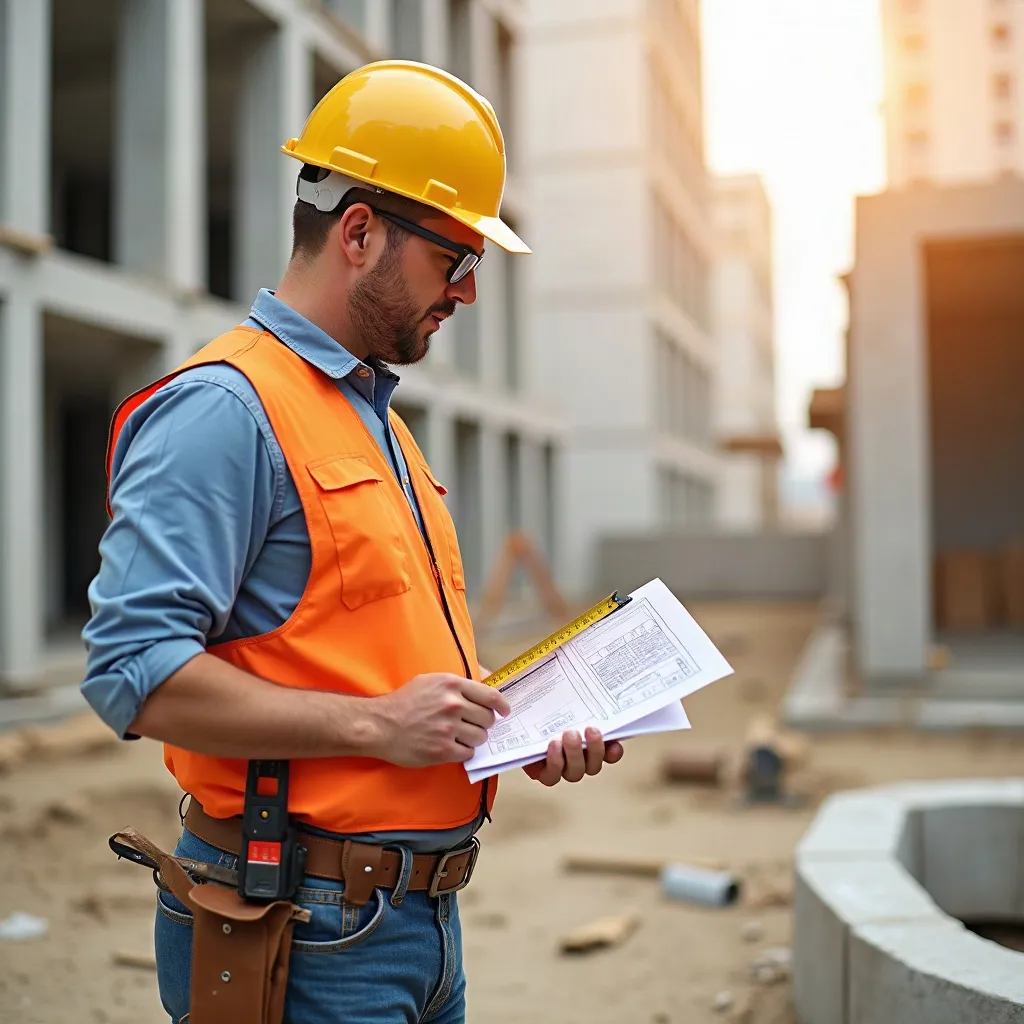
A construction manager orchestrates the different components of a construction project, guaranteeing that everything runs smoothly from beginning to end. They function as the main liaison, overseeing correspondence between clients, specialized contractors, and vendors. This role involves planning the project timeline, coordinating workforce, and maintaining compliance with regional construction standards and requirements.
General contractors are responsible for acquiring required licenses and arranging inspections, which are vital for upholding safety and quality benchmarks. They also manage budgeting, sourcing materials, and managing on-site activities to mitigate any potential delays or issues. In addition, they supervise subcontractors, ensuring that each phase of construction conforms to project specifications and timelines. Overall, a general contractor's expertise and organizational skills are essential to completing a successful construction project, transforming a client's vision into reality while managing multiple duties and obligations.
Advantages of Working with a General Contractor for Residential Updates
Working with a general contractor for home renovations delivers multiple advantages that can substantially enhance the efficiency and quality of the job. General contractors deliver knowledge in overseeing projects, ensuring that schedules are followed and materials are managed effectively. Their solid connections with subcontractors can result in better rates and outstanding quality, which in turn helps homeowners by saving both time and money.
Moreover, general contractors manage the complex aspects of licensing and compliance, reducing possible regulatory problems. They also offer a single point of contact, easing dialogue and collaboration among different contractors. This streamlining decreases the chance for misunderstandings and delays.
Furthermore, their experience enables them to foresee potential challenges, enabling preventative measures to maintain the project on track. By hiring a general contractor, homeowners can concentrate on their vision while experiencing peace of mind, understanding that a professional is overseeing every aspect of the renovation.
Debunking Misconceptions About General Contractors
Many homeowners may have incorrect ideas about general contractors, but understanding the facts can lead to more better decisions. A common myth is that hiring a contractor is not needed for small projects; yet, their ability can streamline even small-scale renovations, ensuring alignment with local codes. Another frequent belief is that general contractors are simply middlemen, but they usually possess extensive knowledge in various trades, allowing them to supervise projects efficiently. Furthermore, some homeowners think that collaborating with a contractor will considerably inflate costs. In truth, a skilled contractor can often attain better pricing for materials and labor due to established relationships with suppliers and subcontractors. Lastly, many believe that contractors are inflexible, but reputable contractors emphasize client communication and work closely to fulfill specific needs. Debunked myths can empower clients to make the most of the true value of general contractors in completing successful home projects.
Selecting the Right General Contractor?
How can property owners guarantee they choose the right general contractor for their jobs? The procedure starts with thorough research. Property owners should obtain suggestions from friends, family, and online reviews to find qualified contractors. Once a compilation is compiled, verifying credentials, such as licensing, insurance, and bonding, is crucial to confirm credibility.
Next, property owners should request and review collections of previous work, focusing on projects view now similar in scope. Scheduling meetings allows homeowners to gauge compatibility, covering schedules, costs, and requirements. It's also advisable to obtain multiple quotes for comparison, offering a better grasp of expenses.
Reviewing references provides insight into a contractor's dependability and expertise. Ultimately, following your intuition is essential; an first consultation can reveal much about a contractor's communication style and approach. By implementing these procedures, homeowners can substantially improve their likelihood of picking a general contractor who aligns with their objectives and goals.
Optimal Communication Approaches Partnering With Your General Contractor
How can homeowners leverage approaches to ensure strong exchanges with their general contractor? Creating open dialogue from the beginning is essential. Homeowners must explicitly state their requirements, project targets, and cost boundaries during first discussions. Regular communications can be enabled through arranged gatherings, guaranteeing that both parties stay coordinated throughout the project.
Applying documented evidence, such as emails or project logs, reinforces verbal agreements and decreases confusion. Homeowners should likewise foster open communication by inviting input and feedback from the contractor, fostering a cooperative setting.
Furthermore, capitalizing on tech solutions, including project management apps, can facilitate team dialogue by creating a single location for relaying updates, timelines, and changes. Finally, maintaining politeness and approachability can deepen mutual understanding, allowing for it to be more straightforward for the contractor to raise challenges or suggestions with success. By executing these techniques, homeowners can establish a productive and honest relationship with their general contractor.
How to Get Ready When Your Initiative Launches?
As the initiative begins, homeowners can anticipate a burst of work on-site. The project manager will organize teams of skilled tradespeople, including electricians, plumbers, and carpenters, who will begin their work following the established timeline. Homeowners may observe equipment and supplies being delivered, generating a bustling environment.
Communication stays vital during this phase. The contractor will provide updates on progress and handle any issues that occur. Homeowners should get ready for potential disruptions, such as noise and restricted entry to certain areas of the home.
Safety measures will be in place to protect both workers and residents, ensuring a secure environment. Additionally, homeowners may be encouraged to maintain flexibility, as unexpected problems can arise, necessitating adjustments to the original plan. Overall, this initial phase sets the stage for the successful completion of the project, and active engagement is essential.
Essential Questions for Your Contractor Agreement?
Identifying the proper questions to ask when finalizing a general contractor agreement is essential for securing a seamless project. Homeowners should ask about the contractor's license and protection to confirm their standing and protection against risks. Understanding the project schedule and checkpoints is significant; therefore, asking about estimated completion dates helps control expectations.
It is also vital to establish contractual agreements, including deposit amounts and payment schedules, to eliminate misunderstandings. Property buyers should demand a detailed breakdown of expenditures, covering materials and work, to confirm visibility. Likewise, exploring the framework for tackling changes or unforeseen issues can preclude tensions subsequently.
To wrap up, homeowners must find out about subcontractors and their experience, as well as the communication methods of the contractor throughout the project. By addressing these concerns, property owners can nurture a productive relationship with their primary contractor, ultimately facilitating a successful home project.
Popular Questions Asked Often
How Do General Contractors Bill for Their Services?
Contractors generally levy charges via flat fees, time-based rates, or a share of the complete project budget. Their rates may additionally encompass materials, workforce costs, and running costs, contingent on the scope and difficulty of the work.
Can a General Contractor Assist With Licenses and Inspections?
Yes, a construction professional can aid in obtaining permits and overseeing inspections. They typically handle local regulations and ensure adherence, streamlining the process for homeowners while facilitating necessary approvals throughout the construction project.
What Qualifications Should I Consider in a General Contractor?
When choosing a construction professional, one should consider credentials such as licensing, insurance, experience in relevant projects, solid recommendations, and strong communication abilities, ensuring they possess the necessary expertise to oversee the project effectively.
What Timeframe Should You Anticipate for a Typical Home Remodeling Project?
A everyday home renovation project can go anywhere from a few weeks to several months, influenced by the scope, difficulty, and size of the project, as well as the availability of materials and labor.
What Transpires if My Assignment Goes Over Financial Limits?
If a project goes over budget, the builder typically discusses the reasons and options with the homeowner. Changes may consist of reducing scope, seeking additional funding, or modifying the project parameters to align with budget constraints.